Industrial & Nuclear Waste-Liquids Management

Engineering safer outcomes for industry and the environment.

KEMISTA combines regulatory expertise, proven engineering and advanced technology to characterise, treat, decommission and dispose of industrial and nuclear wastes — protecting people, assets and the environment around the world.

Explore the divisions Technology toolkit
04
Technology divisions
>99%
ZLD water recovery
12
Sector case studies
PROCESS FLOW DIAGRAM · PHYS–CHEM + DAF KMS-WWT-001
RAW EFFLUENT
SRC
EQUALISATION & pH BUFFER
+ NaOH · H₂SO₄
T-101
COAGULATION
+ PAC · FeCl₃
M-201
FLOCCULATION
+ Polymer
M-202
DISSOLVED-AIR FLOTATION
→ float · sludge to dewatering
DAF-301
TREATED WATER
→ reuse · discharge
T-401
FIRM
KEMISTA
DRAWING
Coag/Floc + DAF
DWG NO.
KMS-WWT-001
REV
B
What drives us

Safety and regulatory command, built into every project.

A relentless ALARA culture and deep command of nuclear and environmental regulation keep your operations compliant and audit-ready.

01

Safety First

Rigorous radiation protection and a relentless ALARA culture underpin every project we deliver.

02

Regulatory Excellence

Deep command of nuclear and environmental regulation keeps your operations compliant and audit-ready.

03

Integrated Expertise

Engineering, technical and technological capability under one roof, from first concept to final closure.

04

Sustainability

We minimise waste, recover value and protect the environment for the generations that follow.

Four technology divisions

One unit-operation toolkit, applied across industrial, nuclear and waste streams.

Precipitation, ion exchange, oxidation, membranes and evaporation — applied to industrial effluent, refinery spent caustic and liquid radioactive effluent, with a fourth division for everything that is not waste-liquid.
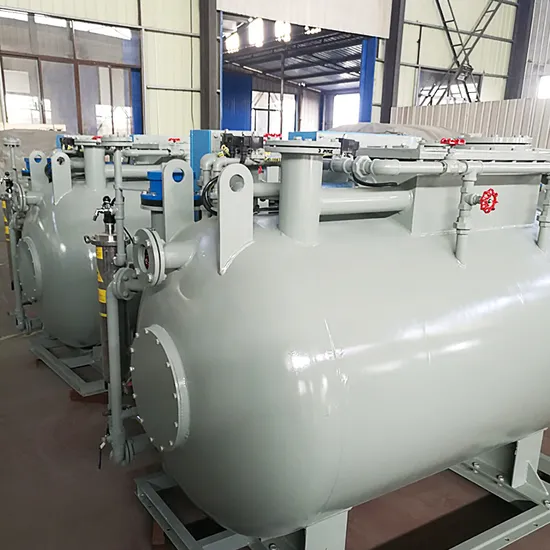
Industrial Waste-Liquid I DIVISION I

Industrial Waste-Liquid

Sector-by-sector treatment of non-radioactive effluent — physical–chemical, biological, thermal and zero-liquid-discharge trains.

Phys–chem Biological Thermal / ZLD
View division
Spent Caustic II DIVISION II

Spent Caustic

Destruction of sulfidic, phenolic and naphthenic spent caustic from refinery and olefins scrubbing — by advanced oxidation and wet air oxidation.

AOP WAO Sulfide → sulfate
View division
Nuclear Waste-Liquid III DIVISION III

Nuclear Waste-Liquid

Liquid radioactive effluent management — co-precipitation, selective ion exchange, evaporation and immobilisation below release limits.

Co-precip Selective IX Immobilise
View division
Waste Management IV DIVISION IV

Waste Management

Everything that is not waste-liquid — solid, hazardous, gaseous and conditioned wastes arising across both industries.

Solid / hazardous Gaseous / air Conditioning
View division
By the numbers

Proven where treatment is hardest.

Indicative figures from across the compendium — every value confirmed per stream by characterisation and bench / pilot testing.

120+
Parameters in scope
ISO/IEC 17025 laboratory
250k
mg/L peak COD destroyed
Wet air oxidation
DF 10⁶
Nuclear decontamination
Multi-barrier trains
6+
Mobile pilot skids
Real-effluent trials
≥95%
Guarantee confidence
Pilot-validated performance
8+
Patents & pilots
Advanced technologies
How we deliver

From the laboratory bench to a built, guaranteed plant.

Explore capabilities

Advanced laboratory

ISO/IEC 17025-aligned fingerprinting of every stream — 120+ parameters in scope.

Piloting & R&D

Mobile pilot skids prove the route on the client’s real effluent before EPC.

On-skid manufacturing

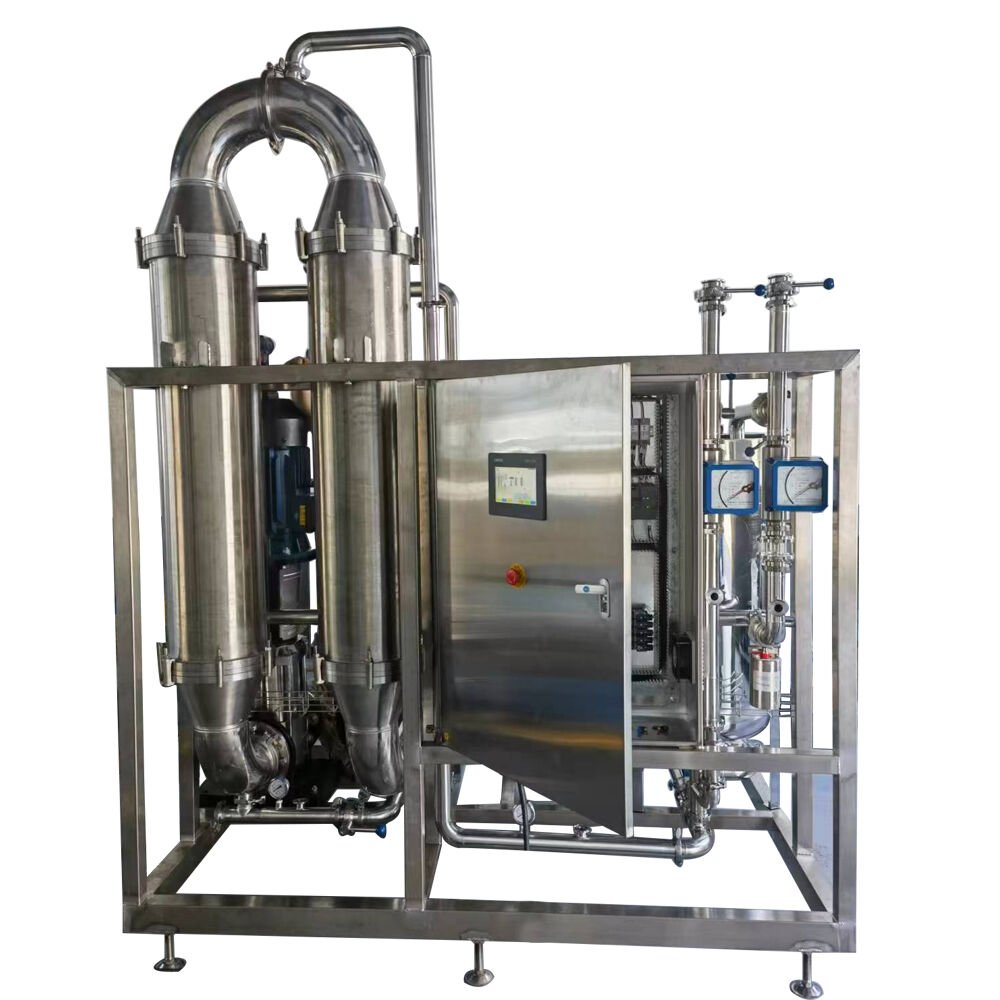
Factory-built, FAT-tested skids and containerised plants, shipped ready to connect.

Standards & codes

ISO, ASME, PED and IAEA — compliance engineered in under the ALARA principle.
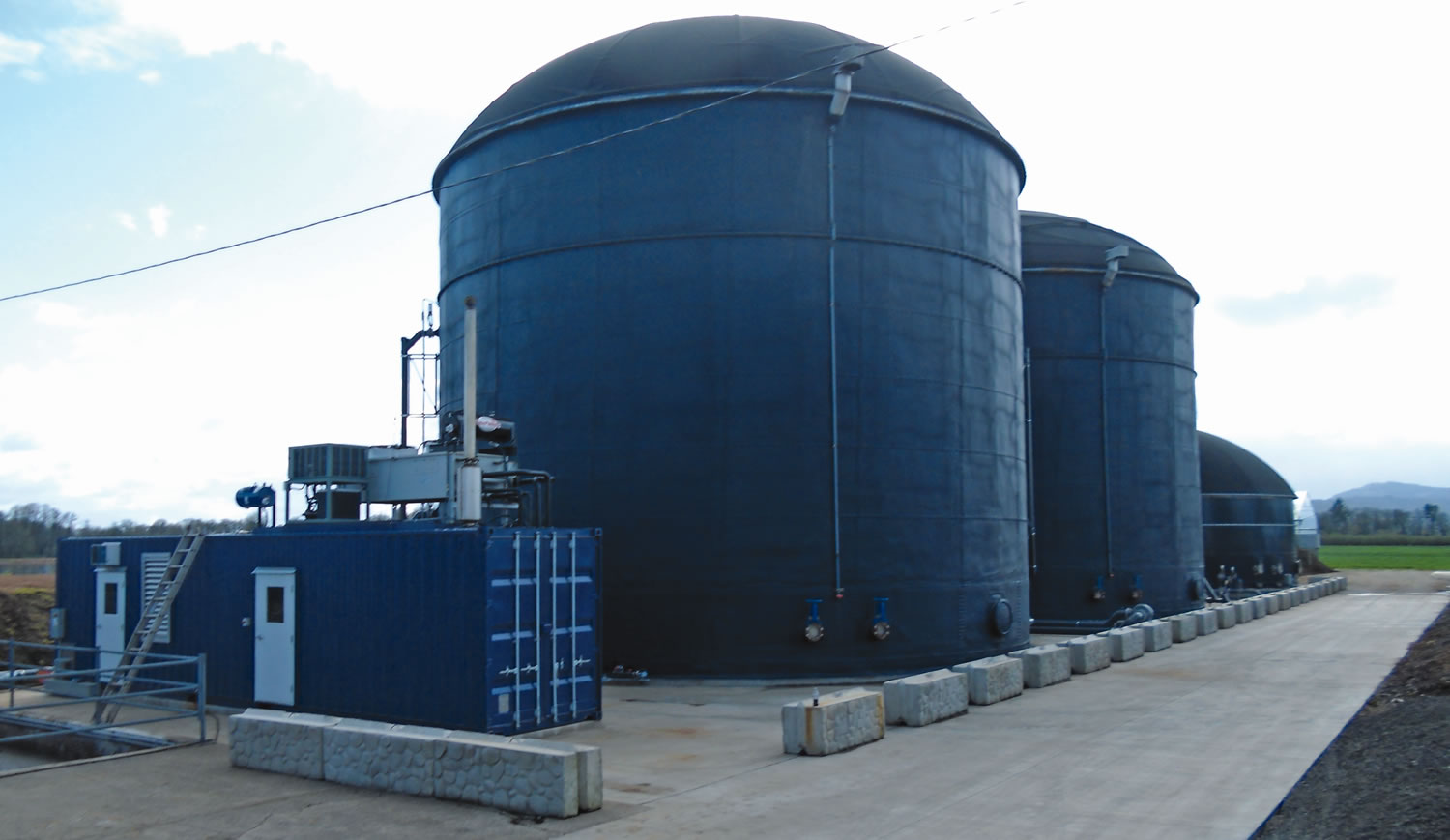
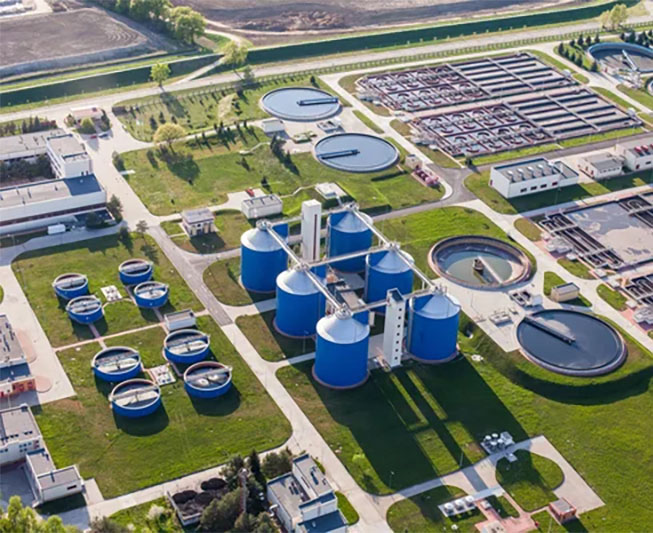
Anaerobic digester tanks
From characterisation to final closure

Integrated, compliant and sustainable solutions for operators worldwide.

Characterise
Sampling · assay · modelling
Treat & recover
Reuse-grade water
Condition
Safe long-term storage
Technology toolkit

Each plant assembled from a proven set of unit operations.

KEMISTA selects and sequences technologies case by case to match the effluent, the discharge consent and the client's reuse and recovery goals.

Open selection matrix
T-01

Physical–Chemical

Coagulation, flocculation, DAF, clarification, filtration and ion exchange.

T-02

Biological

Aerobic AS/MBBR/MBR and high-rate anaerobic UASB/EGSB for organic load.

T-03

Membranes

Ultrafiltration and reverse osmosis for separation and reuse-grade permeate.

T-04

Thermal & ZLD

Evaporation, crystallisation and brine concentration to near-zero discharge.

Industries we serve

Wherever water, waste and compliance are mission-critical.

All 12 case studies
Pulp & Paper
Fibre, lignin & colour load
ANAEROBIC + DAF
Dairy
CIP, whey & high FOG
DAF + EGSB
Wet Textile
Colour, salinity & dyes
AOP + ZLD
Printing Inks
Pigments, resins, solvents
FENTON + EVAP
Food & Beverage
Sugars, starch & FOG
UASB + UV
Metal Finishing
Heavy metals & cyanide
ION EXCHANGE + ZLD
Poultry & Meat
Blood, fat & nitrogen
DAF + ANAEROBIC
Petrochemical
Oil, phenols & ammonia
API + 2-STAGE BIO
Fertilisers
Ammonia, nitrate & P
STRIP + STRUVITE
Pharmaceuticals
APIs & antibiotics
AOP + MBR
Landfill Leachate
Ammonia & humic COD
MBR + RO
Cattle & Pig Farms
Slurry, manure & nitrogen
AD + N-REMOVAL
Sustainability

We minimise waste, recover value, and close the water loop.

Anaerobic stages turn organic load into biogas, nitrogen is recovered as fertiliser, salts are crystallised for reuse, and zero-liquid-discharge trains return virtually all water to process.

>99%
Water recovery · ZLD
0.35
m³ biogas / kg COD
99.9%
Heavy-metal removal
<limits
Residual activity
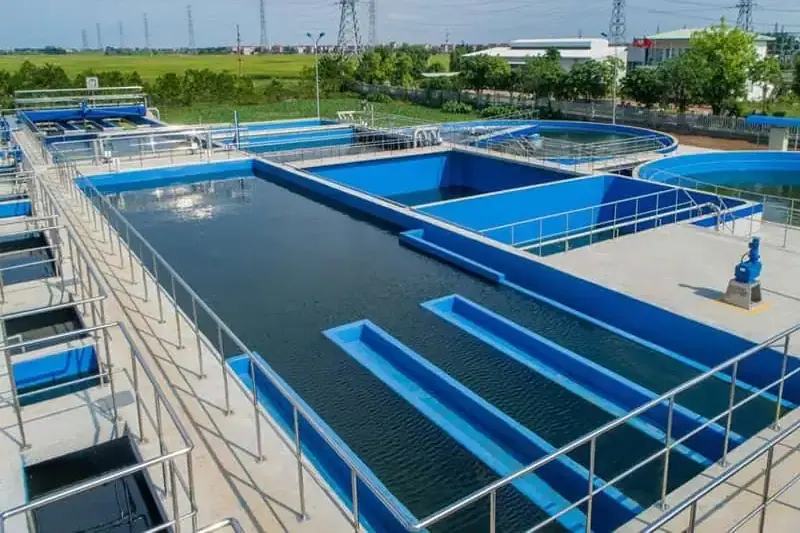
Aerial view of water-recovery treatment basins

Have a stream that needs characterising, treating or conditioning?

Tell us about your effluent, consent limits and reuse goals — we'll scope a train and the bench/pilot work behind it.

Start a conversation