Case study 01 / 12 · Division I
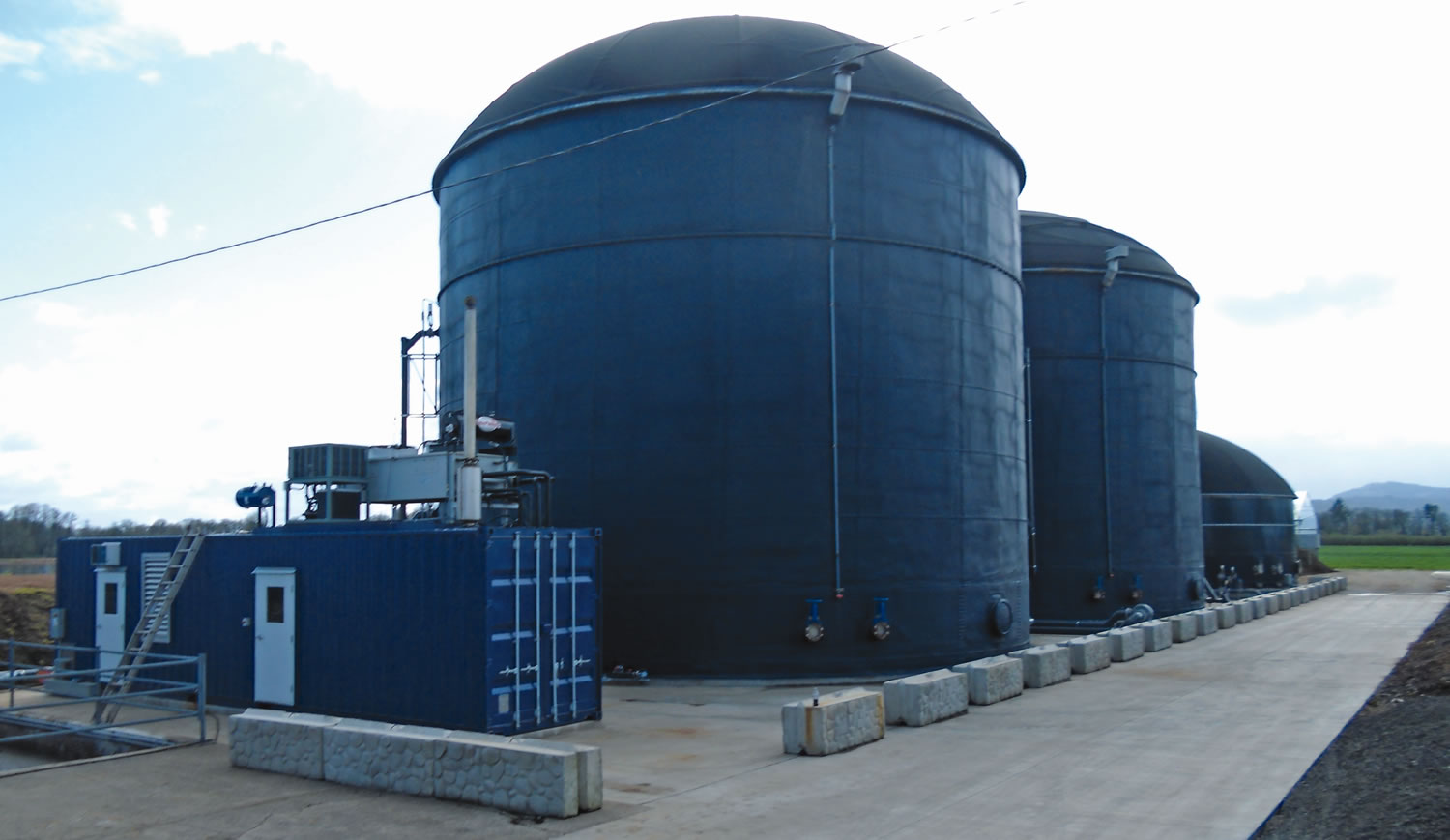
Division I · Case Study 01
Pulp & Paper
Anaerobic + Aerobic + Phys–Chem
High-volume, fibre- and lignin-laden effluents with elevated COD, suspended solids and colour. KEMISTA recovers fibre, captures methane as energy and polishes water back to machine-quality for reuse.
92%
COD removal
60%
Water reuse
0.30
m³ biogas/kg
Selected treatment train
Mill effluent
→
Fibre recovery
→
Primary clarifier
→
Anaerobic UASB
→
Aerobic MBBR
→
Coag/Floc + DAF
→
Reuse
Indicative influent characteristics
Flow
m³/t
10–60
pH
–
5–9
COD
mg/L
1,000–5,000
BOD₅
mg/L
300–2,000
TSS (fibre)
mg/L
500–4,000
AOX
mg/L
1–15
COD reduction along the train
COD (mg/L)
3,000
Raw
900
+Anaerobic
250
+Aerobic
120
+Polish
Why this configuration
Energy positive — anaerobic stage converts soluble COD to biogas for on-site CHP.
Fibre recovery returns saleable cellulose to the process, cutting raw-material cost.
Colour and refractory COD removed by coagulation / DAF and optional ozone.
Closed loop reduces fresh-water intake and effluent levy.
Your sector not listed, or a stream that defies the categories?
KEMISTA characterises the stream and engineers a bespoke train — that is what bench and pilot testing are for.