Case study 02 / 12 · Division I
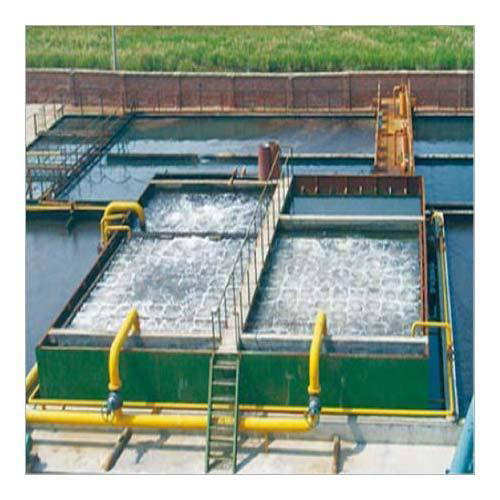
Division I · Case Study 02
Dairy
DAF + Anaerobic + Aerobic (N/P)
Dairy effluents swing widely in pH and load — CIP cycles, whey and milk losses drive very high, readily-biodegradable COD plus fats, oils and grease. Equalisation, fat recovery and high-rate digestion convert that load to biogas.
97%
COD removal
95%
FOG removal
0.35
m³ biogas/kg
Selected treatment train
Process + CIP
→
Screen + EQ
→
DAF
→
Anaerobic EGSB
→
Aerobic N/P
→
Clarifier + filter
→
Reuse
Indicative influent characteristics
Flow
L/L milk
1–10
pH
–
4–11
COD
mg/L
2,000–6,000
BOD₅
mg/L
1,000–3,000
FOG
mg/L
200–2,000
Total P
mg/L
20–100
COD reduction along the train
COD (mg/L)
4,000
Raw
3,200
+DAF
700
+Anaerobic
150
+Aerobic
Why this configuration
Shock-load resilience from buffered equalisation and granular-sludge EGSB.
FOG and protein recovery protects downstream biology and yields by-product value.
Nutrient removal meets tight nitrogen and phosphorus consents.
Biogas offsets boiler fuel for pasteurisation and CIP heating.
Your sector not listed, or a stream that defies the categories?
KEMISTA characterises the stream and engineers a bespoke train — that is what bench and pilot testing are for.