One oxidation-and-separation toolkit, four divisions.
The waste-liquid and spent-caustic divisions share one toolkit — precipitation, ion exchange, oxidation, membranes and evaporation — applied to industrial effluent, refinery spent caustic, then liquid radioactive effluent. The fourth division handles everything that is not waste-liquid.
Non-radioactive
Industrial Waste-Liquid Treatment
Sector-by-sector treatment of non-radioactive effluent. Each plant is assembled from a proven toolkit and sequenced to match the effluent, the discharge consent and the client's reuse and recovery goals — for discharge compliance, water reuse and resource recovery.
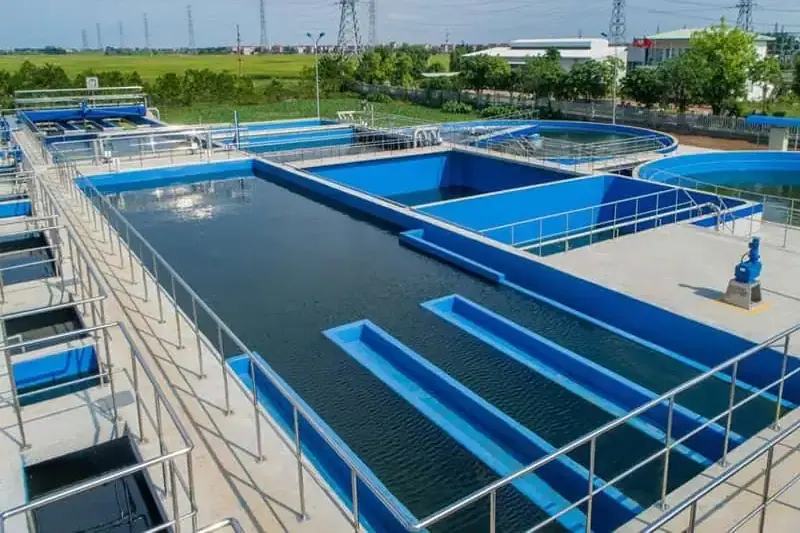
Physical–Chemical
Coagulation, flocculation, pH adjustment, DAF, clarification, filtration and ion exchange.
Biological
Aerobic AS/MBBR/MBR and high-rate anaerobic UASB/EGSB convert organic load — and recover biogas.
Membranes
Ultrafiltration and reverse osmosis separate solids and salts for reuse-grade permeate.
Thermal & ZLD
Evaporation, crystallisation and brine concentration recover water and salts to near-zero discharge.
Refinery & petrochemical
Spent Caustic Treatment
Spent caustic is the alkaline waste from caustic scrubbing of hydrocarbon streams in refineries and ethylene/olefins plants — carrying sulfides, mercaptans, phenols and naphthenic acids at pH 12–14 and COD up to 250,000 mg/L. KEMISTA destroys these contaminants by oxidation: mild advanced oxidation (AOP) for lighter loads, high-pressure wet air oxidation (WAO) for concentrated sulfidic streams.
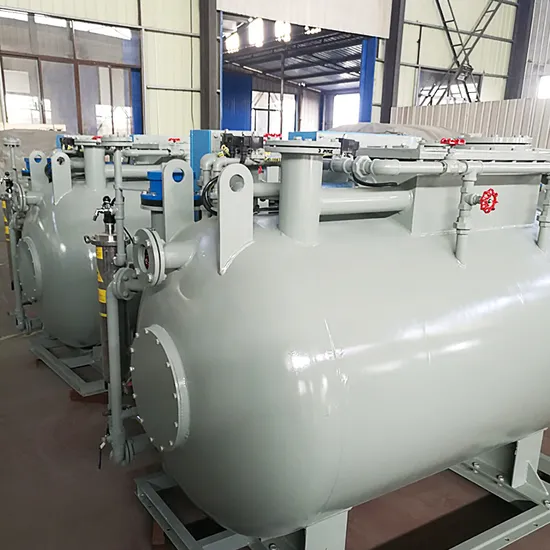
Sulfidic
From H₂S and mercaptan scrubbing on olefins and LPG units. High sulfide (Na₂S, NaHS) and COD — the prime target for wet air oxidation.
Phenolic / Cresylic
From gasoline and kerosene treating. Phenolates and cresylates drive COD, colour and toxicity — well suited to advanced oxidation.
Naphthenic
From jet and diesel treating. Naphthenic acids and emulsified hydrocarbons, treated by oxidation after de-oiling.
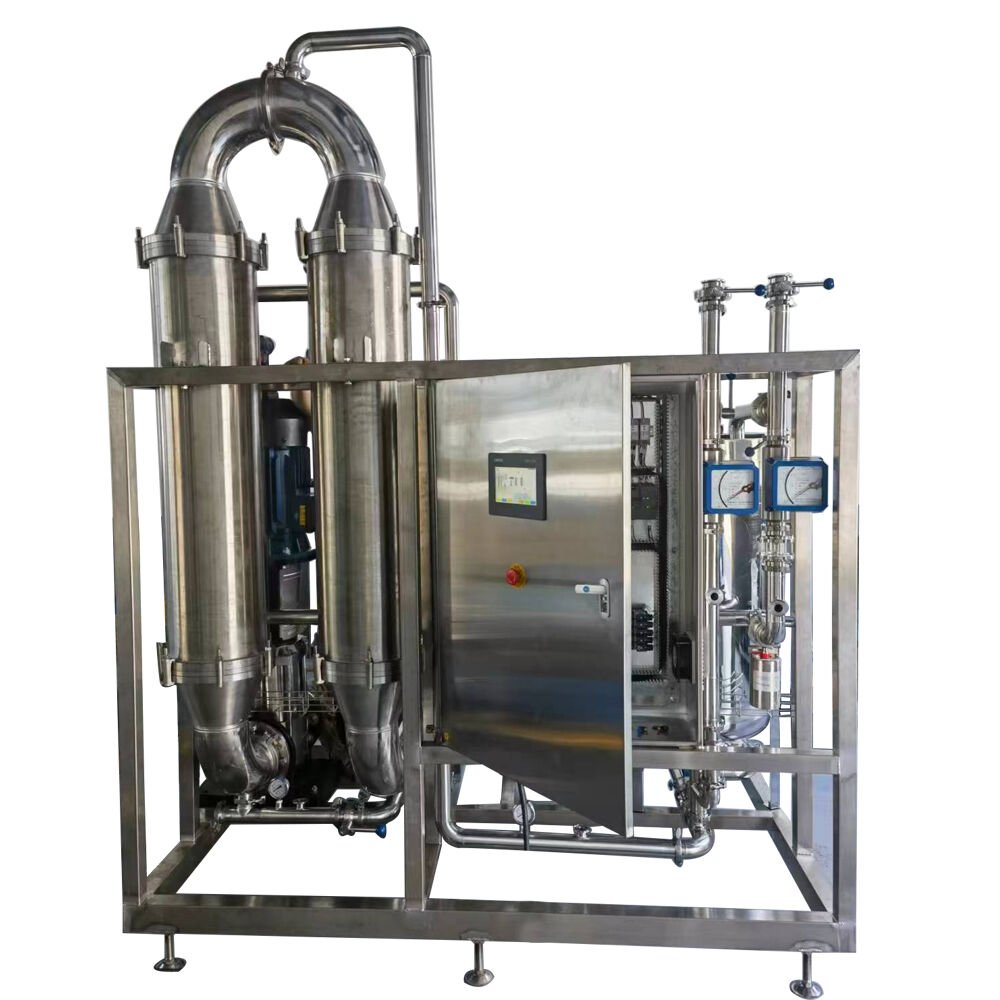
Radioactive effluent
Nuclear Waste-Liquid Treatment
KEMISTA treats both liquid and gaseous waste effluents to remove, concentrate or isolate radioactive isotopes and hazardous chemicals before they are recycled or released — driving residual activity well below strict national and EU regulatory limits across routine operation, maintenance and decommissioning.
Remove
Capture radioactive ions and particulates onto resins, filters and adsorbers.
Concentrate
Reduce volume by evaporation and dewatering for stable conditioning.
Isolate
Hold short-lived isotopes for decay; immobilise residues for safe long-term storage.
Both industries
Waste Management
Everything that is not waste-liquid — the solid, hazardous, gaseous and conditioned wastes arising in both industries. KEMISTA segregates, treats, conditions and routes each waste category to the right recovery or disposal pathway, with integrated routing and performance tracking across the site.

Solid & Hazardous
Segregation, treatment and disposal of solid and hazardous industrial and radioactive wastes.
Gaseous / Air
Off-gas and ventilation treatment — filtration, adsorption and monitored release within limits.
Conditioning & Packaging
Immobilisation, conditioning and packaging of concentrates and residues for interim storage.
See how the toolkit maps to your sector.
Open the interactive technology selection matrix and explore the eleven industry case studies.